
CBD and Coconut Oil: What MCT Oil Does in a Formula
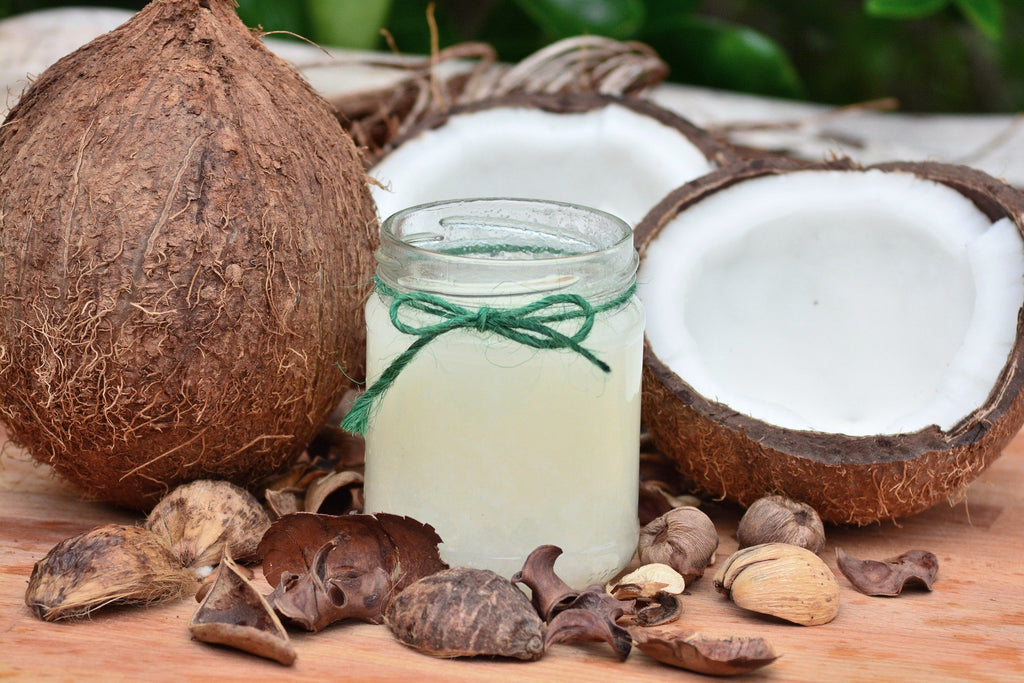
When coconut-derived MCT oil appears in a CBD formula, it serves as a carrier oil: part of the liquid base that holds the CBD ingredient. That role matters, but it does not mean the oil adds more CBD or guarantees stronger effects.
If you are comparing CBD and coconut oil products, start with three questions: which carrier is listed, how much CBD is in the bottle, and what information supports the finished formula? Our tincture selection guide helps you compare the current Urban Roots options.
What does a carrier oil do in a CBD formula?
CBD has low water solubility, so the liquid used to formulate it matters. An oil can serve as a solvent or vehicle for CBD. The cannabinoid ingredient and the carrier have different jobs: the former supplies the labeled cannabinoids, while the latter forms part of the base they are delivered in.
A 2022 laboratory study of CBD vehicles found that changing the vehicle affected CBD movement into and through isolated porcine tissue. This was formulation research, not a clinical test of Urban Roots products. It helps explain why the whole formula deserves attention without establishing that a particular carrier is best for every person.
Are coconut oil and MCT oil the same?
No. MCT stands for medium-chain triglycerides. Coconut oil and MCT oil are related ingredients, but the terms should not be used interchangeably. If a label specifies coconut-derived MCT oil, read that as the named carrier and its source, rather than as a statement that it is identical to ordinary coconut oil.
Research findings should be kept separate too. A 2017 study comparing coconut oil, MCT oil and a control oil found different short-term appetite responses. It did not test CBD tinctures. Its findings cannot establish that adding either oil to a CBD product produces weight loss or other health benefits.
What are the benefits of combining CBD with a carrier oil?
The clearest purpose is practical formulation: creating an oil-based product containing the intended cannabinoid ingredient. The carrier's identity belongs alongside the CBD amount, other ingredients and directions when you compare bottles.
Claims about absorption need more detail. In 2021 laboratory and rat research, adding MCT to sesame-oil formulations improved one laboratory measure of CBD solubilization but did not produce greater overall bioavailability than the sesame-oil vehicle. That does not rank every commercial carrier; it shows why a promising laboratory finding is not enough to promise better results from a finished product.
Look for evidence about the actual formulation rather than assuming that “with MCT,” “natural,” or a large milligram number establishes its effectiveness.
How to compare the whole tincture formula
- Read the complete ingredient list. Identify the carrier, cannabinoid ingredient, flavorings and any named terpene ingredients. A product name or intended experience does not tell you the full recipe.
- Separate CBD from total cannabinoids. A total-cannabinoid amount may include compounds other than CBD. Compare the same labeled quantity across products.
- Compare bottle amount and concentration. A container total is different from milligrams per milliliter. A larger bottle with more total CBD is not necessarily more concentrated.
- Check the directions and format. Use the instructions on the current package. A topical cream and an oil-format tincture are different products; do not transfer one product's directions to the other.
- Read the relevant lab report. Match the product and lot where possible, then check which analyses were performed. A cannabinoid report does not by itself verify the carrier source, complete ingredient list or terpene blend.
Our guide to reading CBD lab results explains sample matching, report units and “Not Tested.” You can find the available example PDFs in the Urban Roots report library.
Common questions
Does MCT oil add to the CBD milligram amount?
No. Carrier oil and CBD are different ingredients. Read the cannabinoid quantity on the label; do not count the carrier oil's weight or volume as additional CBD.
Does MCT oil automatically make CBD work faster?
No. The research above does not establish a universal onset time for commercial CBD oils. Do not infer an exact time or an absorption multiplier from the carrier name alone.
What if I need to avoid coconut or another ingredient?
Check the complete current ingredient list and ask about the carrier's source if it is unclear. Contact Urban Roots with the exact product and strength before choosing a bottle if an ingredient restriction affects your decision.
Where can I compare Urban Roots tinctures?
Start with the tincture guide, or view CBDaily Tincture for its listed options. Use the current product page and packaging for that product's details rather than treating this general carrier-oil guide as a specification for every Urban Roots formula.
-
Posted in
cbd-basics